Celestia Bloom: A Romantic Script for Creative Branding
There’s a certain magic that happens when you open a blank brand board and start sketching out ideas. For me, it’s always the font choice that sets the tone. Recently, I found myself staring at a fresh canvas for a boutique identity project, and I knew I needed something that felt personal, elegant, and just a little bit whimsical. That’s when I pulled out Celestia Bloom.
A Handwritten Font with a Romantic Soul
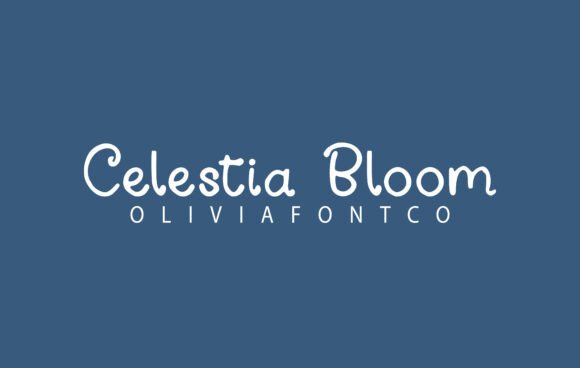
Celestia Bloom is an authentic handwritten font with a romantic touch. It carries the warmth of a handwritten note, the elegance of a love letter, and the charm of a vintage diary entry. The strokes are fluid, the curves are soft, and the overall aesthetic feels like it was crafted with intention and care. It’s not just a font—it’s a mood.
What stands out most about Celestia Bloom is its personality. It’s not overly dramatic or too casual; it strikes a perfect balance between sophistication and playfulness. This makes it incredibly versatile for a wide range of branding applications, from logos to packaging to social media graphics.
Testing Celestia Bloom in Real Branding Projects
I tested Celestia Bloom on a logo concept for a boutique that sells handmade jewelry and stationery. At first glance, it seemed like a natural fit—its romantic touch complemented the brand’s artisanal vibe. I paired it with a sans serif font for the tagline to create contrast and ensure readability.
On a brand board, Celestia Bloom worked beautifully as the headline font. It added character without overpowering the design. I used it on a website header, a social media post, and even a product label. Each time, it maintained its charm while remaining legible and visually engaging.
One of my favorite uses was on a bakery packaging mockup. The font brought a sense of warmth and approachability to the design, making the brand feel more personal and inviting. It looked great on printed cards and digital banners alike.
Font Pairing and Design Flexibility
Celestia Bloom is best used as a display font or headline font. It’s not ideal for long body text due to its delicate structure and lack of strong serifs or contrasting weights. However, when used strategically, it can elevate any design.
For font pairing, I found that pairing Celestia Bloom with a modern sans serif like Montserrat or a classic serif like Playfair Display creates a nice contrast. This combination works well for editorial design, web design, and creative studio identities.
If you’re looking for a decorative font that still maintains readability, Celestia Bloom is a fantastic option. It adds a unique flair to your design assets without sacrificing clarity. Just be mindful of how you use it—reserve it for headlines, logos, and accents rather than body copy.
When to Use and When to Avoid Celestia Bloom
Celestia Bloom shines in projects that require a touch of romance, elegance, or handcrafted charm. It’s perfect for creative studios, boutique brands, skincare lines, and local restaurants. However, it may not be the best choice for corporate environments or projects that require high readability at small sizes.
For instance, if you’re designing a business card or a website that requires extensive body text, you might want to use Celestia Bloom as an accent font rather than the primary typeface. It also performs best in larger formats, such as posters or social media graphics, where its intricate details can be appreciated.
Practical Tips for Using Celestia Bloom
Before using Celestia Bloom in client work, I recommend testing it in different contexts. How does it look on a shop sign? On a product label? In a hero section of a website? These real-world scenarios will help you determine if the font aligns with your design goals.
Also, make sure to review the included styles, alternates, ligatures, swashes, and weights. These features can add depth and versatility to your designs. If you’re working on a multilingual project, check the font’s support for other languages as well.
Lastly, always verify the commercial font licensing before using Celestia Bloom in client work, brand identity, packaging, templates, websites, or print-on-demand products. Proper licensing ensures that your designs are both legal and professional.
Final Thoughts on Celestia Bloom
Celestia Bloom is more than just a font—it’s a creative companion for designers who value personality and style. Whether you’re working on a boutique identity, a café refresh, or a handmade shop branding project, this font has the potential to take your creative ideas to the highest level.
With its romantic touch, elegant curves, and versatile applications, Celestia Bloom is a must-have in any designer’s toolkit. Just remember to use it wisely, and you’ll find that it brings a unique charm to every project it touches.