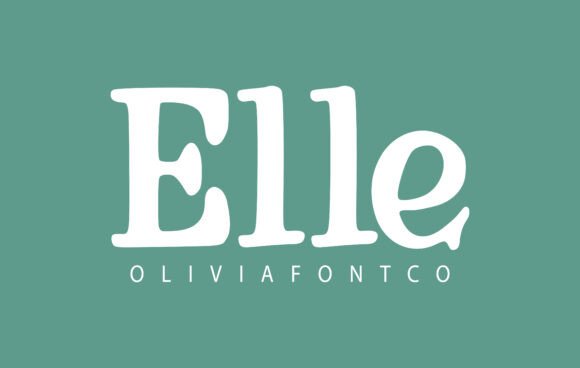
Elle: A Romantic Handwritten Font for Creative Branding
It’s a quiet Tuesday morning, and I’m sitting at my desk with a fresh brand board open in front of me. The client is a small boutique that sells handmade skincare products—think natural ingredients, minimalist packaging, and a vibe that feels like a cozy weekend afternoon. My goal? To create a visual identity that feels authentic, elegant, and relatable. As I start sketching logo ideas, I find myself reaching for the Elle font. It’s not just any font—it’s a typeface that carries a romantic touch, one that feels like it was written by hand, with a little bit of heart.
The First Impression: A Handwritten Feel That Speaks Volumes
Elle is an authentic handwritten font with a soft, flowing script that makes it feel personal and intimate. When I first tested it on a rough logo draft, I noticed how its curves and loops gave the design a warm, inviting energy. It wasn’t too bold, nor was it too delicate—it struck a perfect balance between elegance and approachability. This made it ideal for a brand that wants to connect with customers on a more emotional level.
What really stood out about Elle was its versatility. While it’s a script font, it doesn’t feel overly ornate or difficult to read. The letterforms are well-proportioned, with a consistent rhythm that makes it easy to use in both logo design and brand identity elements. I found myself using it as the primary typeface for the brand’s name, while pairing it with a clean sans-serif font for body text to maintain readability.
Testing Elle in Real Design Scenarios
As I moved into mockups, I used Elle on everything from business cards to product labels. On a small label sticker, the font felt like it belonged there—soft, readable, and full of character. When I placed it on a shop sign, it added a sense of charm without overwhelming the design. Even on a digital platform, like a homepage hero section, Elle held up well, adding a touch of personality that didn’t compromise the overall message.
One thing I noticed early on was how Elle performed in social media graphics. Its handwriting style translated beautifully into Instagram posts and Facebook banners, where it helped create a cohesive visual language. The font pairing was key here—I paired it with a modern sans-serif font to ensure the text was still legible and professional, even when used in short-form content.
But let’s be honest—handwritten fonts can sometimes be tricky. They might look great in isolation, but they can struggle with consistency across different materials. With Elle, I found that its structured design made it easier to maintain a uniform look across all brand assets. The included styles, alternates, and ligatures also gave me flexibility when designing custom logos or promotional materials.
Elle in Action: From Logo to Packaging
The logo design process was particularly rewarding with Elle. I started with a simple sketch, then refined it using the font’s unique characteristics. The result was a logo that felt both artistic and professional—a perfect match for the boutique’s aesthetic. I used Elle as the main typeface, letting its fluid lines guide the overall look and feel of the brand.
When it came to packaging design, I experimented with different weights and styles of Elle to see how it would work on product labels. The display font quality of Elle made it ideal for headlines, while its softer, more elegant forms were great for taglines and descriptions. I also considered how it would appear on printed materials, making sure it looked good in both black and white and color.
One of the most interesting aspects of Elle was how it affected brand perception. Because it’s a handwritten font, it gave the brand a sense of authenticity and craftsmanship. It wasn’t too flashy, which helped keep the focus on the product itself. At the same time, its romantic touch added a layer of sophistication that elevated the entire brand identity.
Practical Tips for Using Elle in Your Projects
If you’re considering using Elle for your next project, here are a few tips to keep in mind:
- Test it early: Before committing to a full brand system, test Elle on different materials and platforms to see how it looks in real-world scenarios.
- Pair wisely: Combine Elle with a serif or sans-serif font to balance its decorative qualities with readability.
- Check licensing: Make sure you have the proper commercial font license for any design assets you plan to use.
- Use it strategically: Reserve Elle for headlines, logos, and accents rather than large blocks of text.
- Consider multilingual support: If your project involves multiple languages, verify that Elle supports them.
Ultimately, Elle is more than just a font—it’s a tool that can help bring your creative vision to life. Whether you’re working on a brand identity, packaging design, or web design, this premium font has the potential to elevate your work and make a lasting impression.